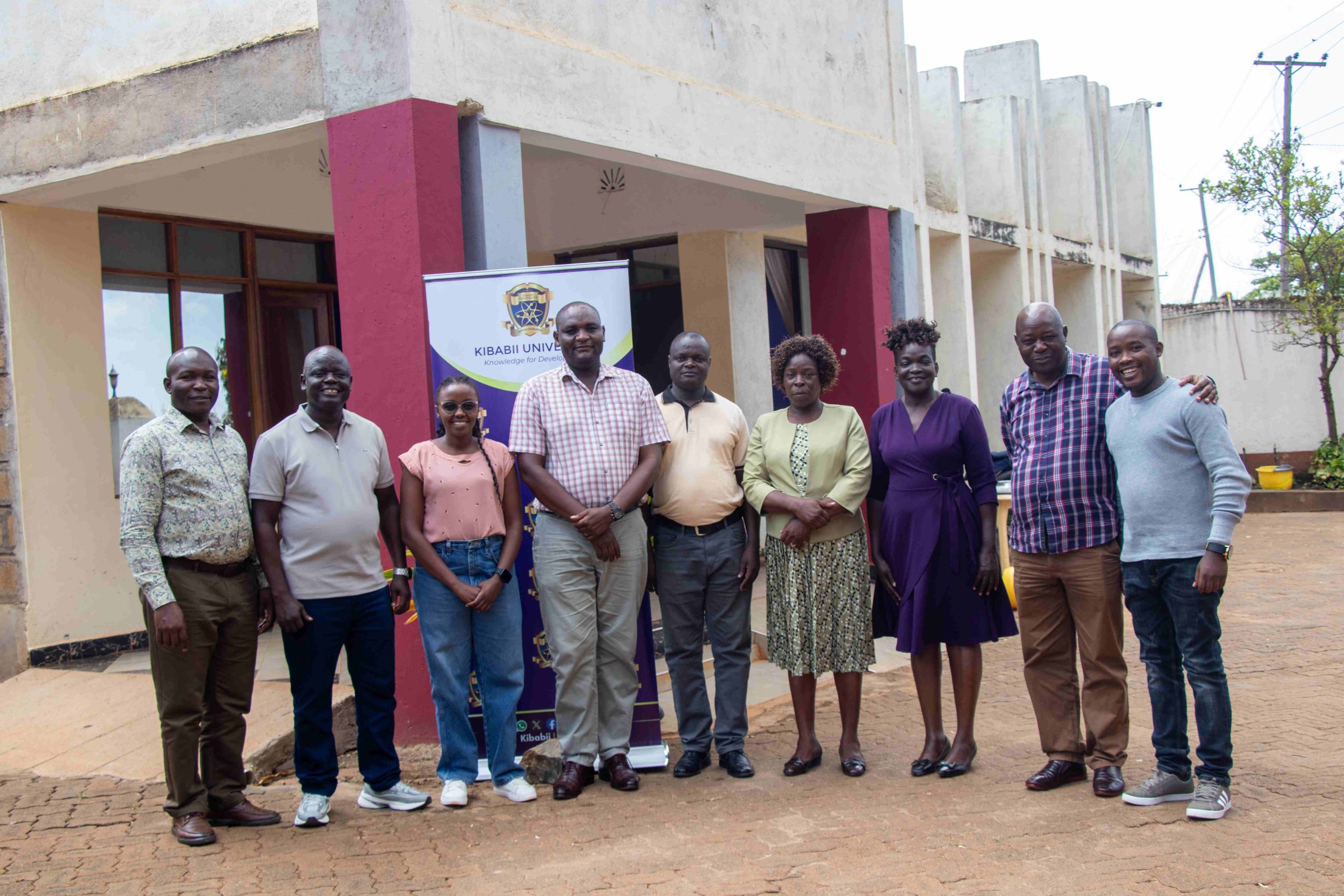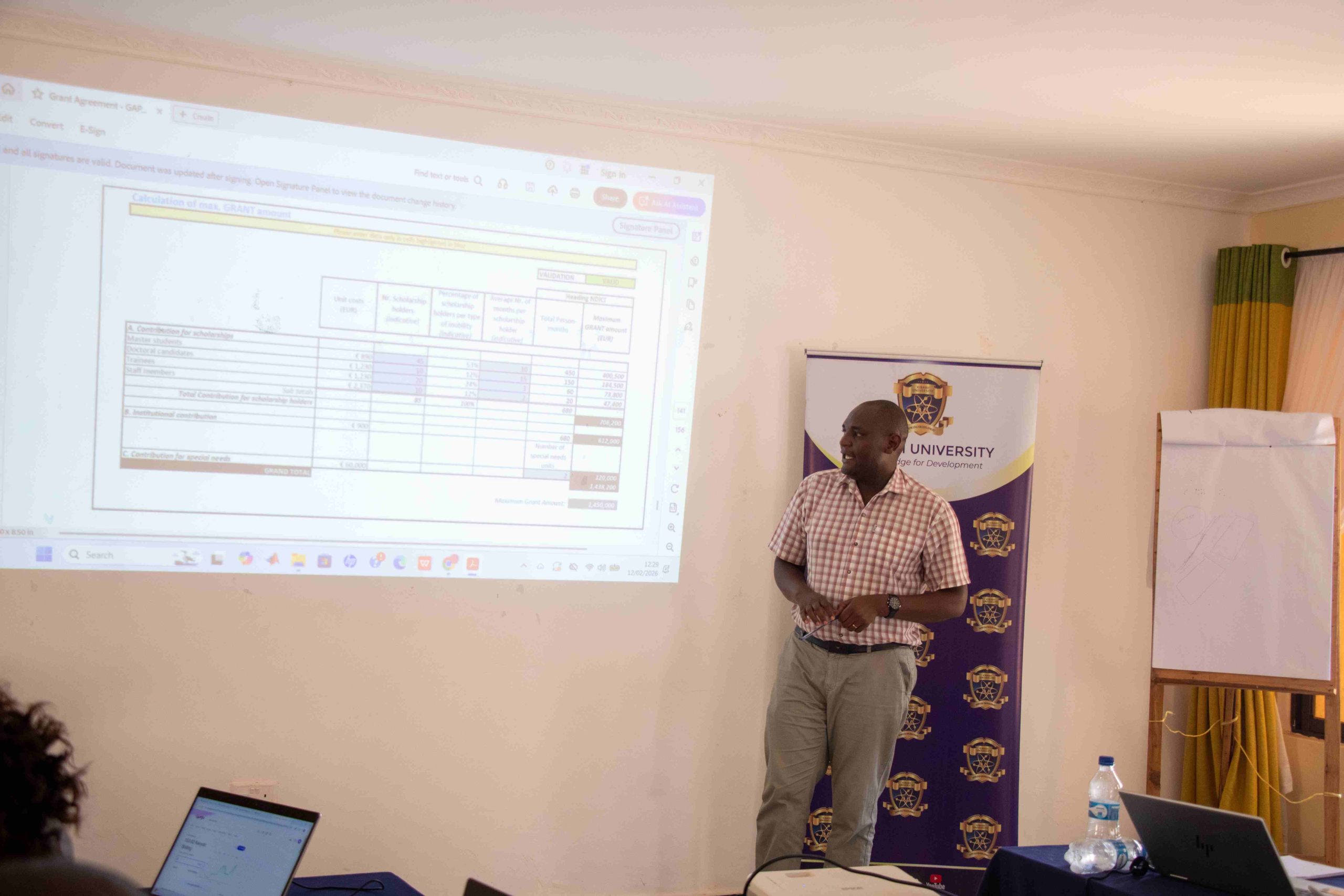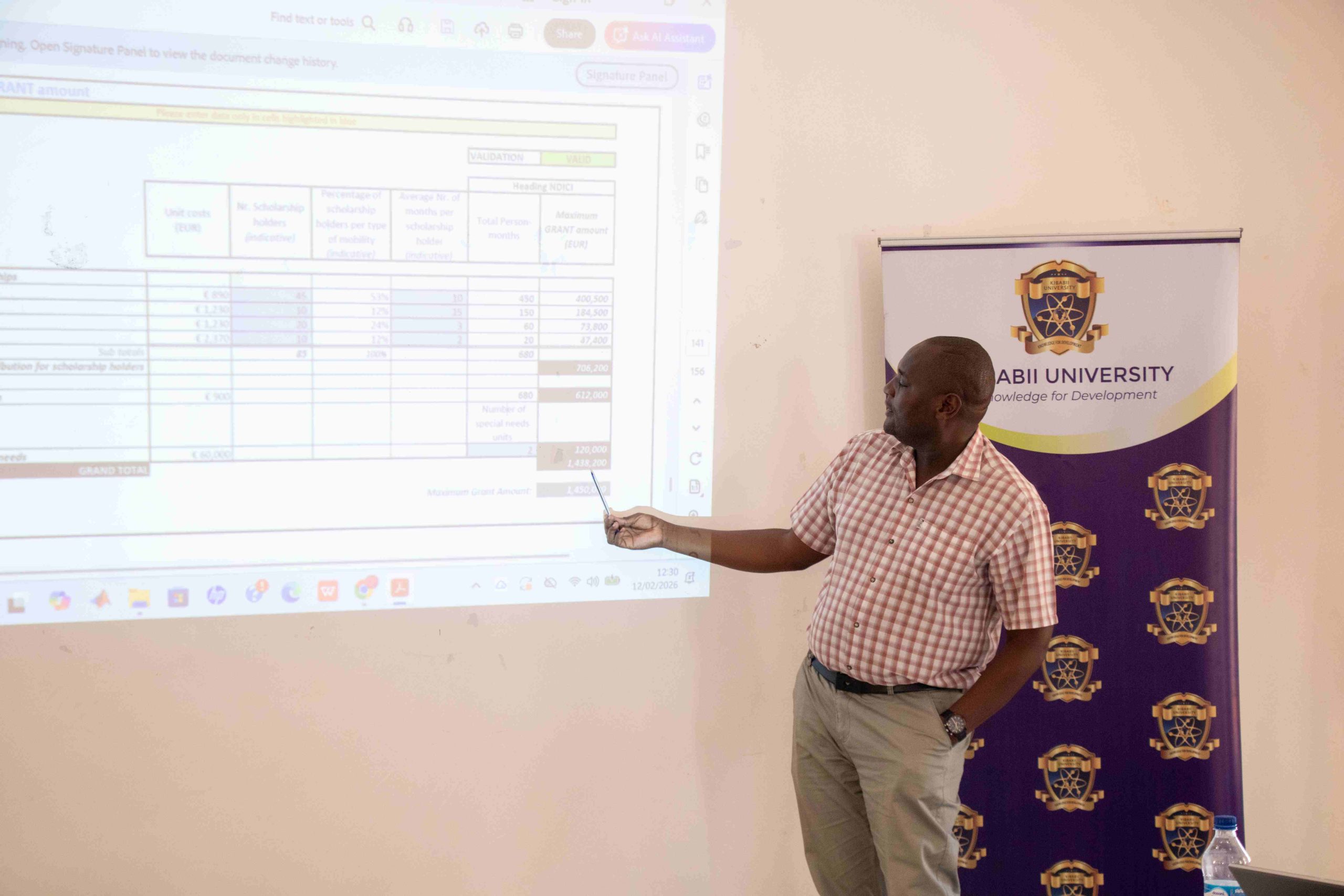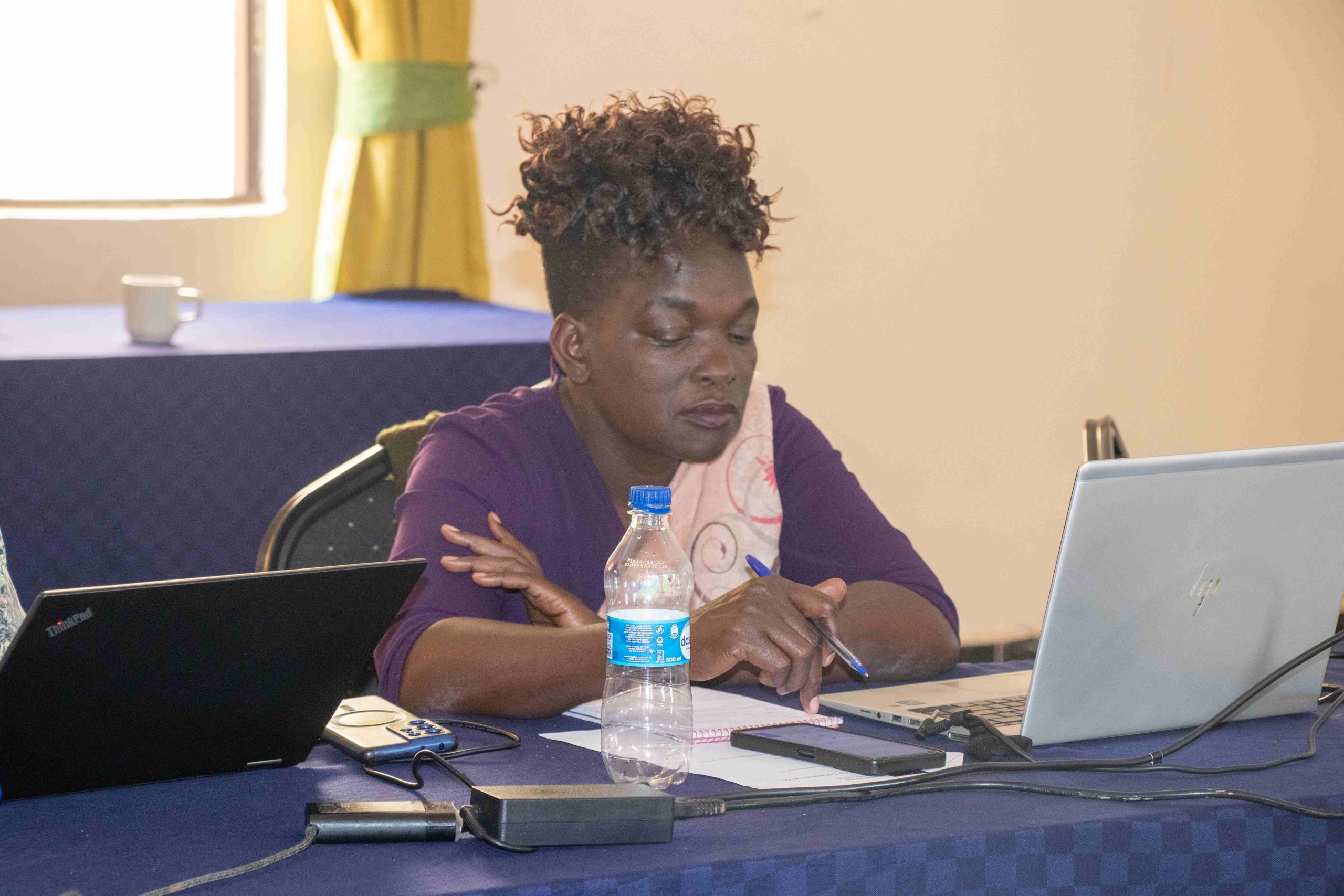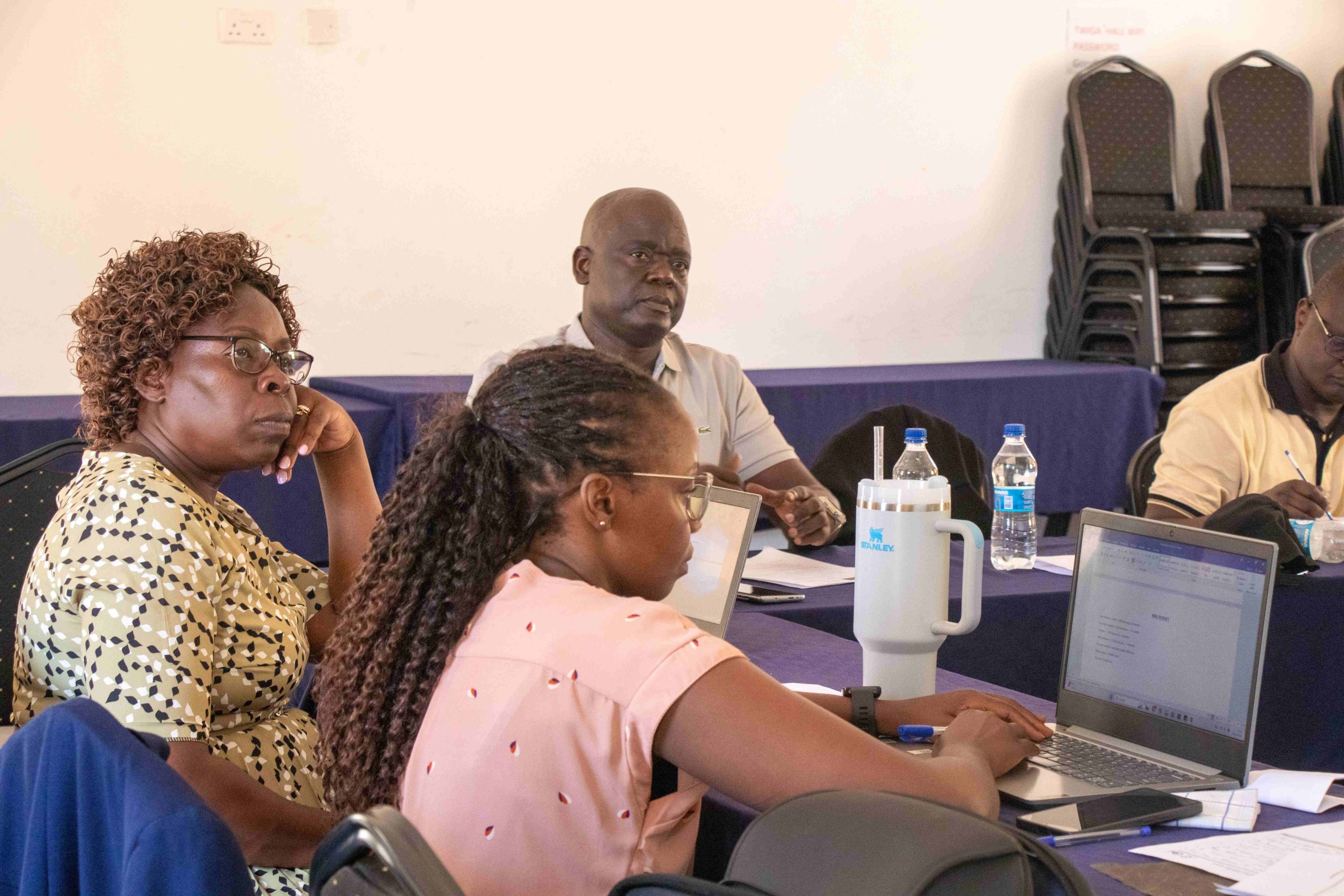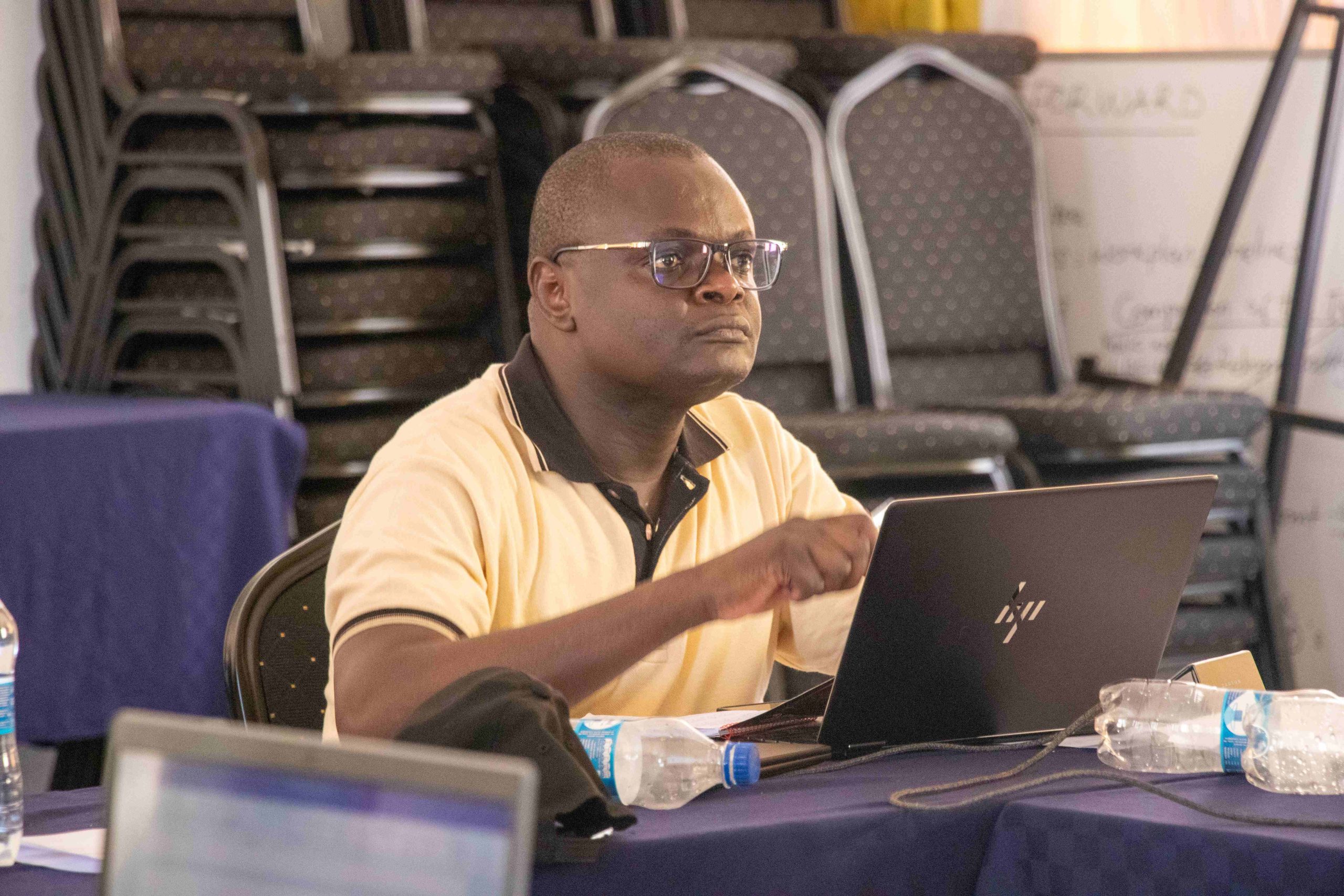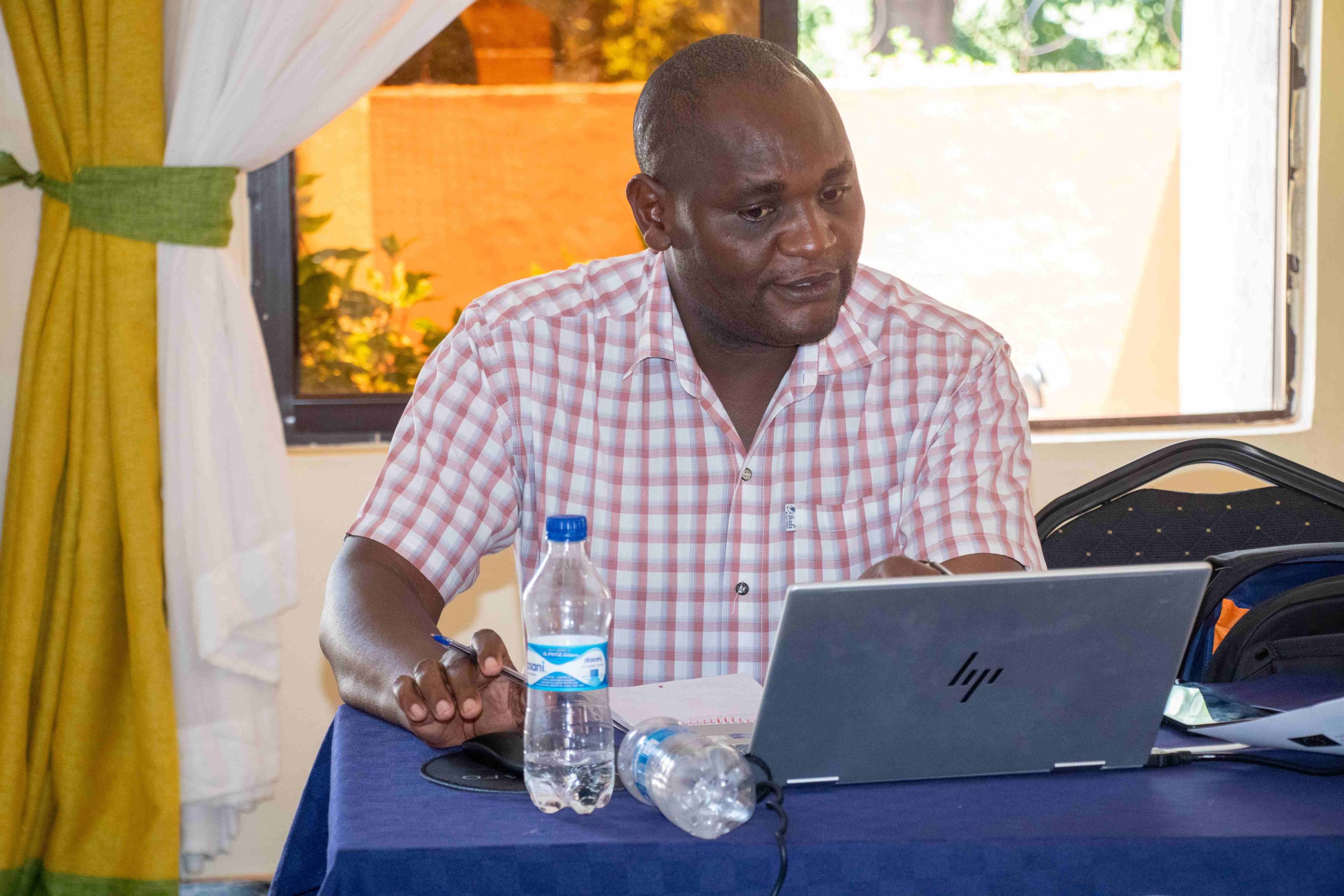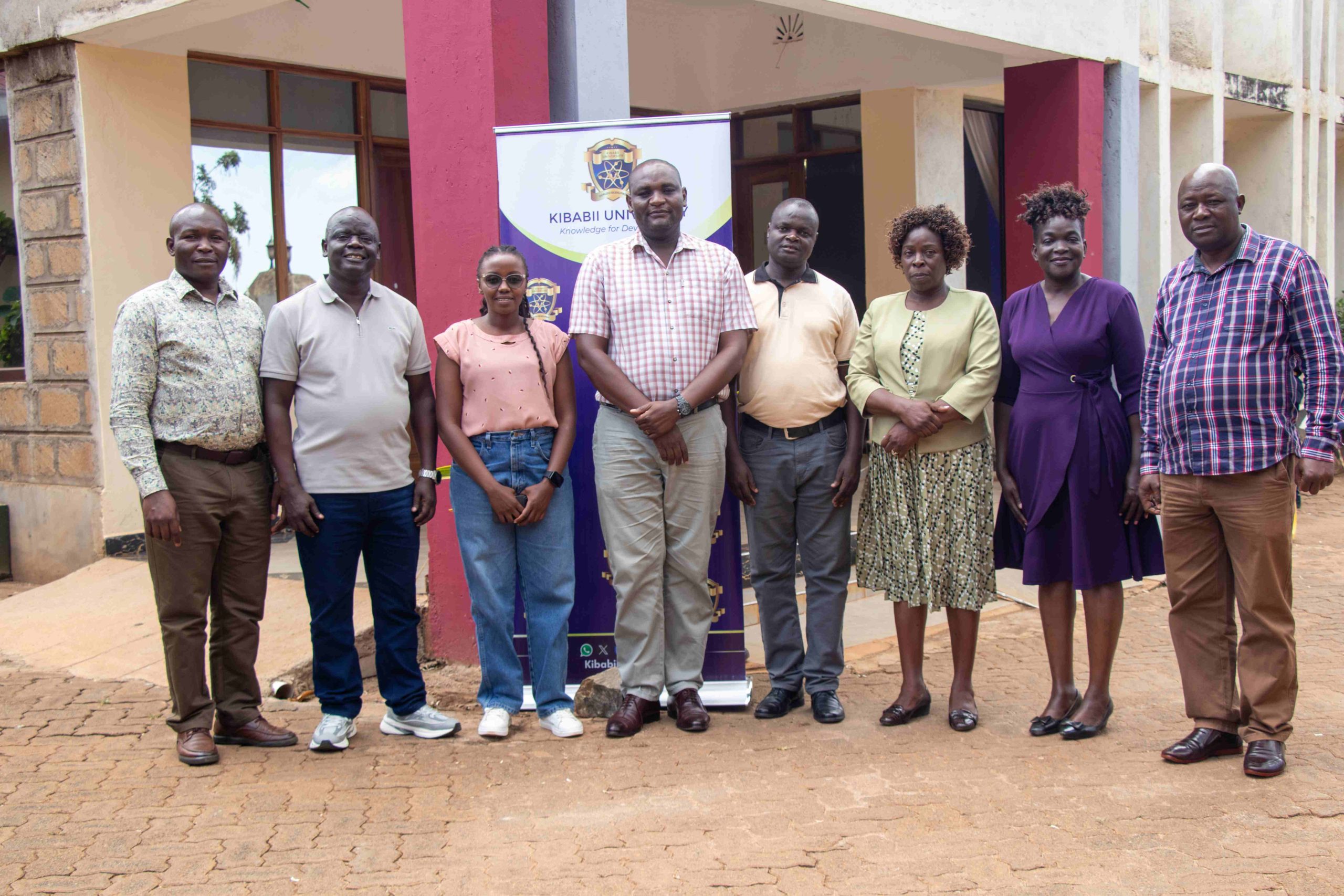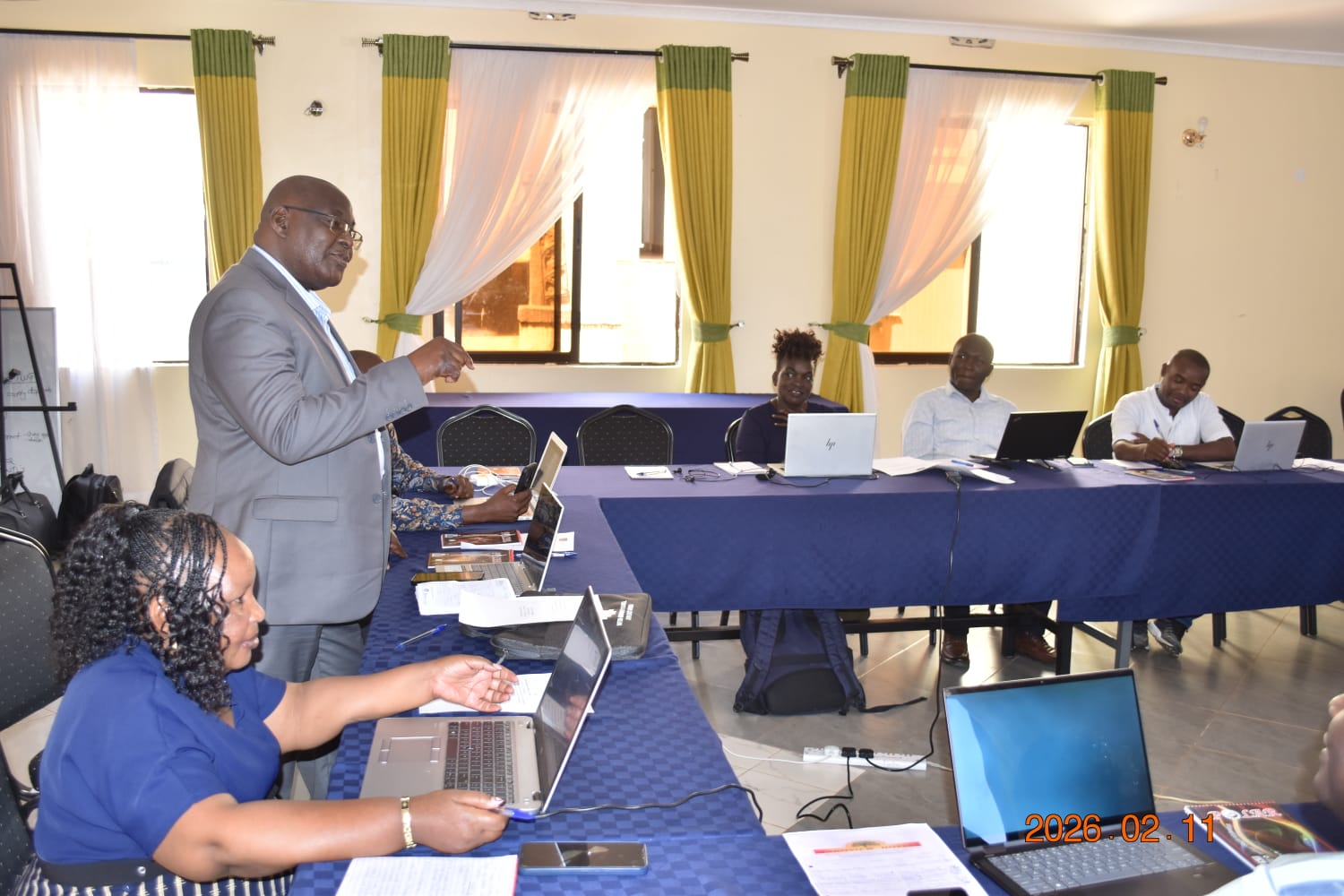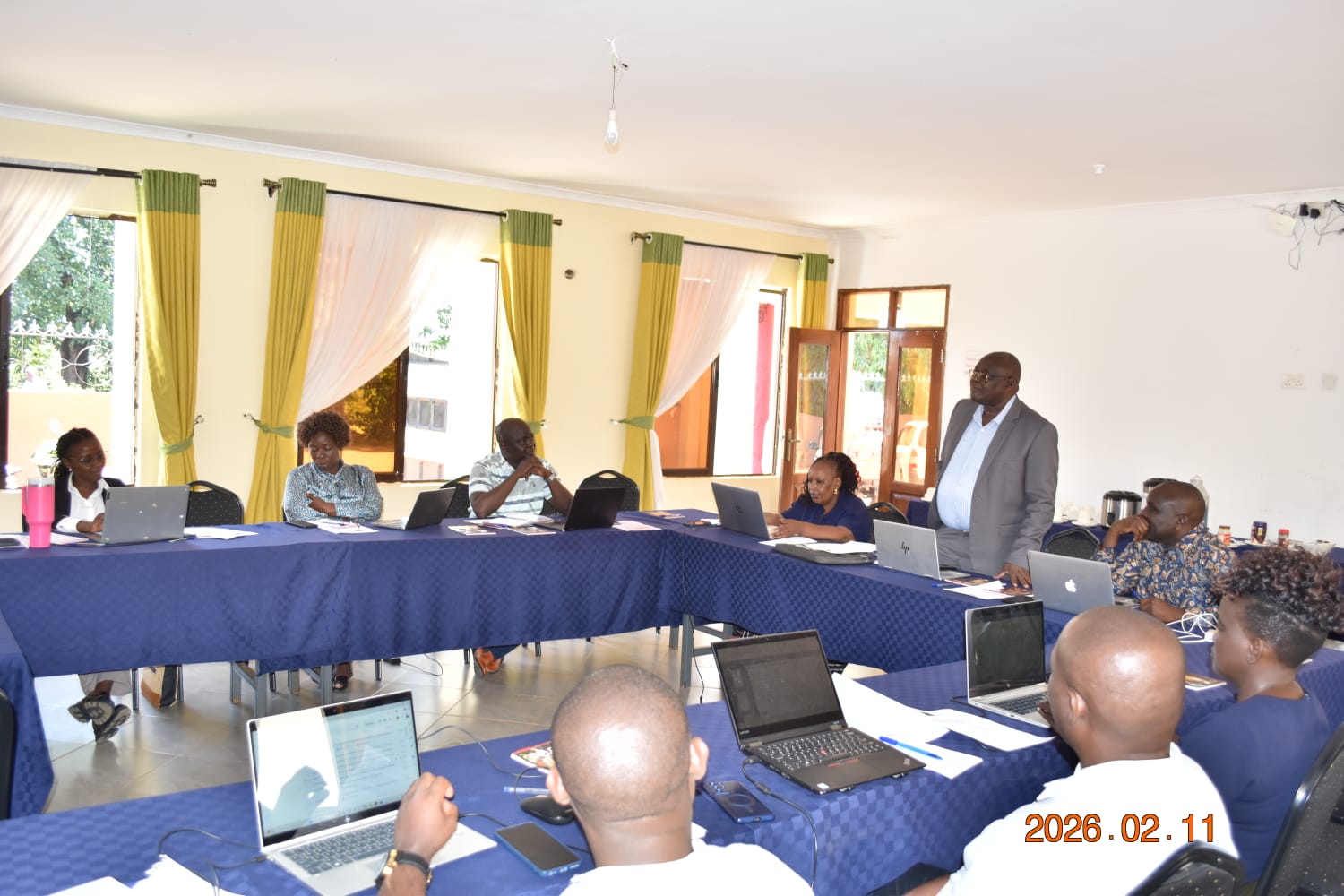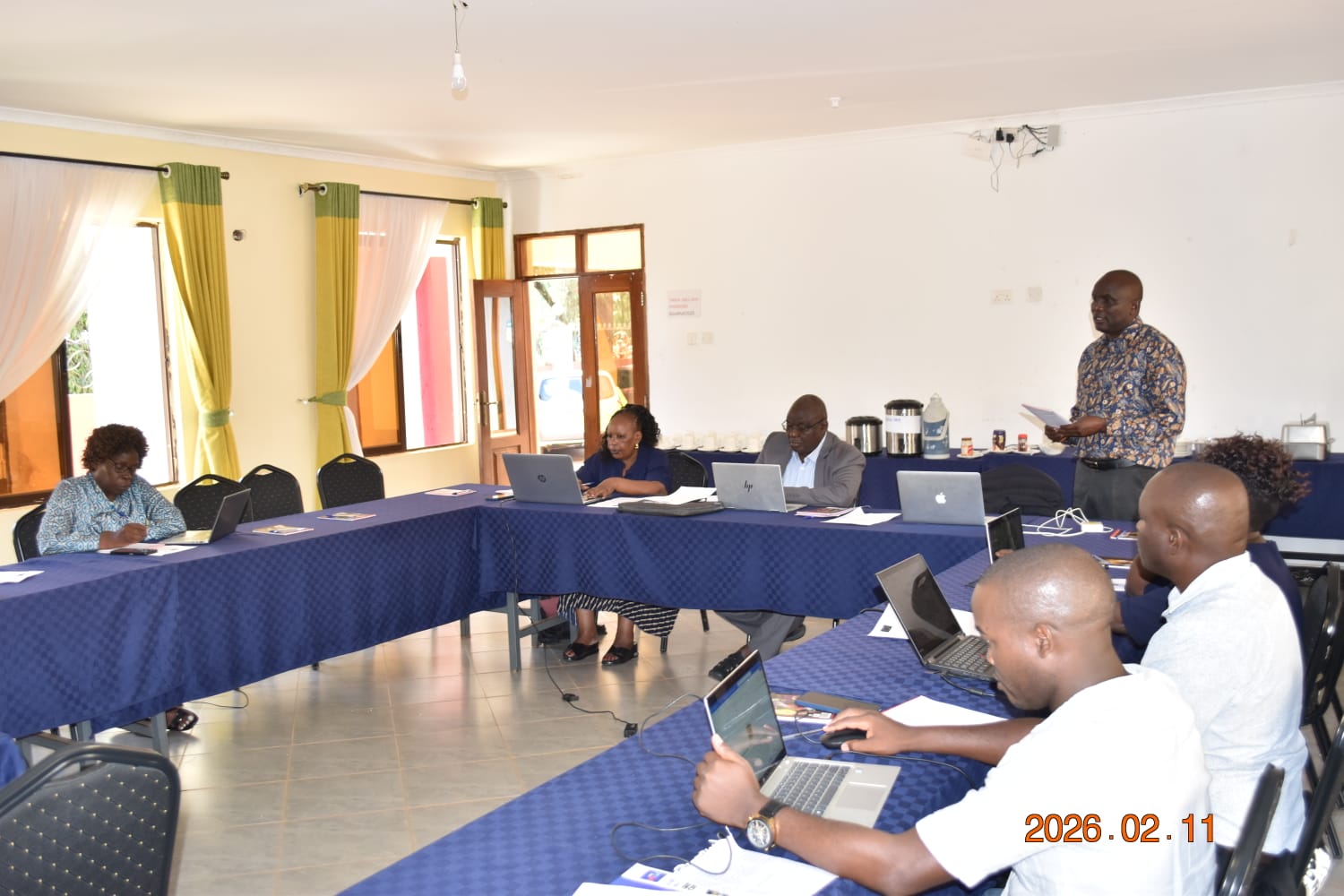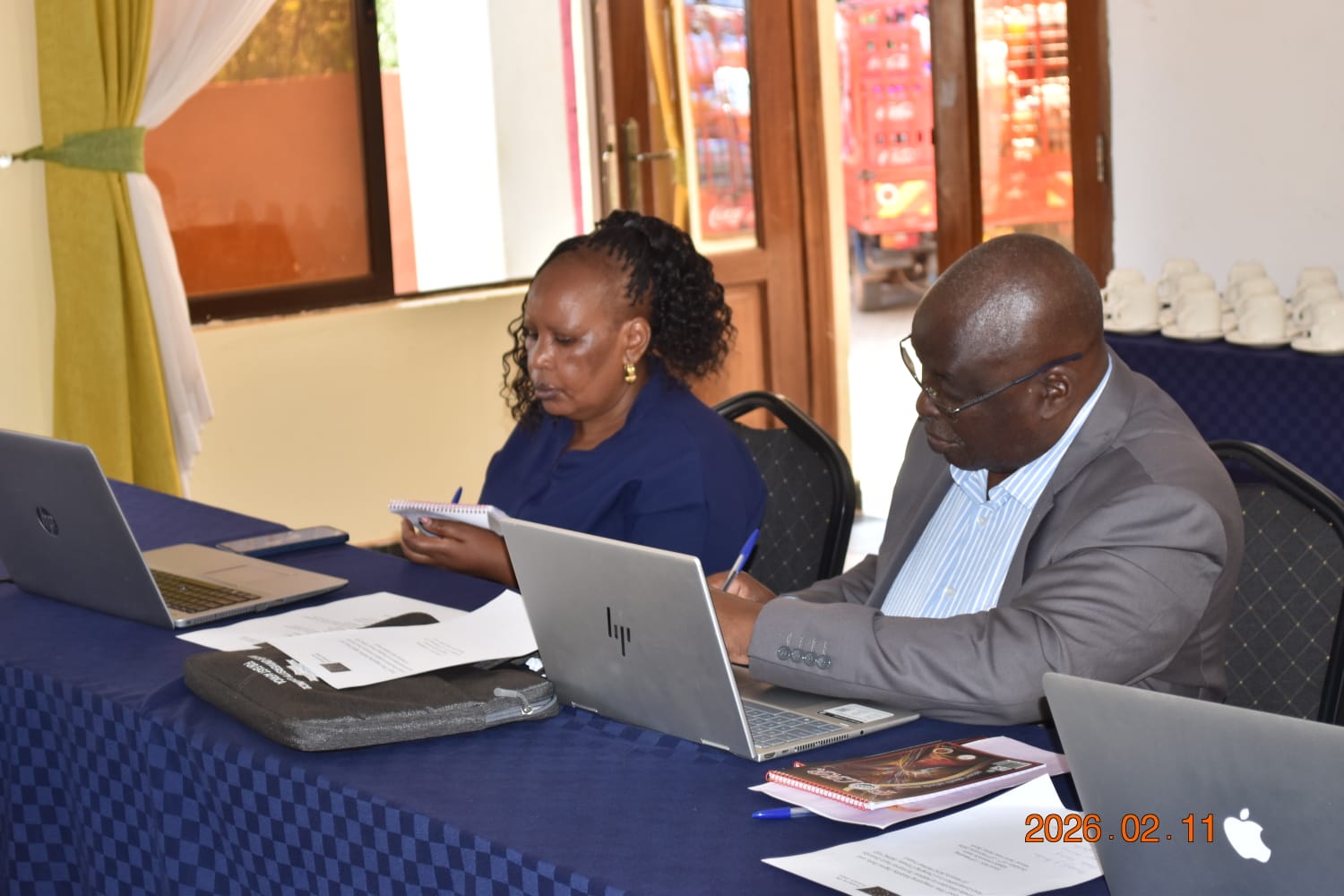
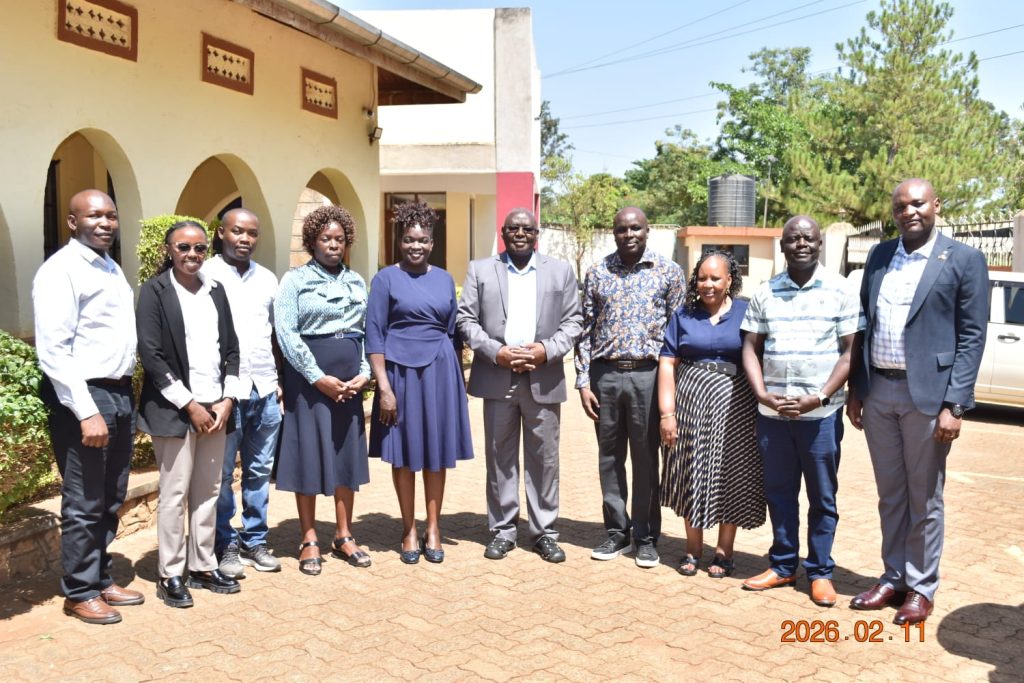
Kibabii University officially launched the IMPACT-ED Project during a kick-off meeting held from 11th to 13th February 2026 at Farm View Hotel in Busia County, Kenya marking the beginning of a four-year international initiative focused on climate education and biodiversity conservation. The meeting brought together the project team and University Management to outline the implementation framework of the project titled: “Integrating Mobility, Digital Tools and Climate Education to Address Terrestrial Plant Diversity and Conservation in a Changing Climate (IMPACT-ED)”
In his presentation, the Principal Investigator Prof. John W. Makokha emphasized Africa’s vulnerability to climate change and the need for universities to integrate climate education into teaching, research, and community engagement.
The project is a collaboration among six partner institutions: the University of Namibia, Kibabii University, the University of Eswatini, the University of Nigeria, Kyambogo University in Uganda, and the University of Turku in Finland. The partnership seeks to strengthen academic capacity, promote knowledge exchange, and develop innovative solutions for conserving terrestrial plant diversity.
Key project activities include curriculum development, integration of climate education into existing programmes, and academic mobility opportunities for postgraduate students, undergraduate trainees, and staff across partner universities. A major outcome will be the establishment of a Botanical Garden at Kibabii University to support conservation research, experiential learning, and environmental awareness. University management confirmed that space for the facility will be allocated within the main campus, with possible expansion to Sirisia Farm if needed.
Representing the Deputy Vice-Chancellor (Academic and Student Affairs), the Dean of the Faculty of Science, Dr. Martha Konje, commended the project team and underscored the role of digital technologies in addressing climate challenges. The Deputy Vice-Chancellor (Planning, Partnerships, Research and Innovation), Prof. Julius Maiyo, described the initiative as impactful to both the University and the wider community, emphasizing teamwork and transparency in implementation.
In his address, Vice Chancellor Prof. Isaac Ipara Odeo applauded the interdisciplinary research team and reaffirmed the University’s commitment to curriculum reform, research excellence, and adherence to ethical and quality standards.
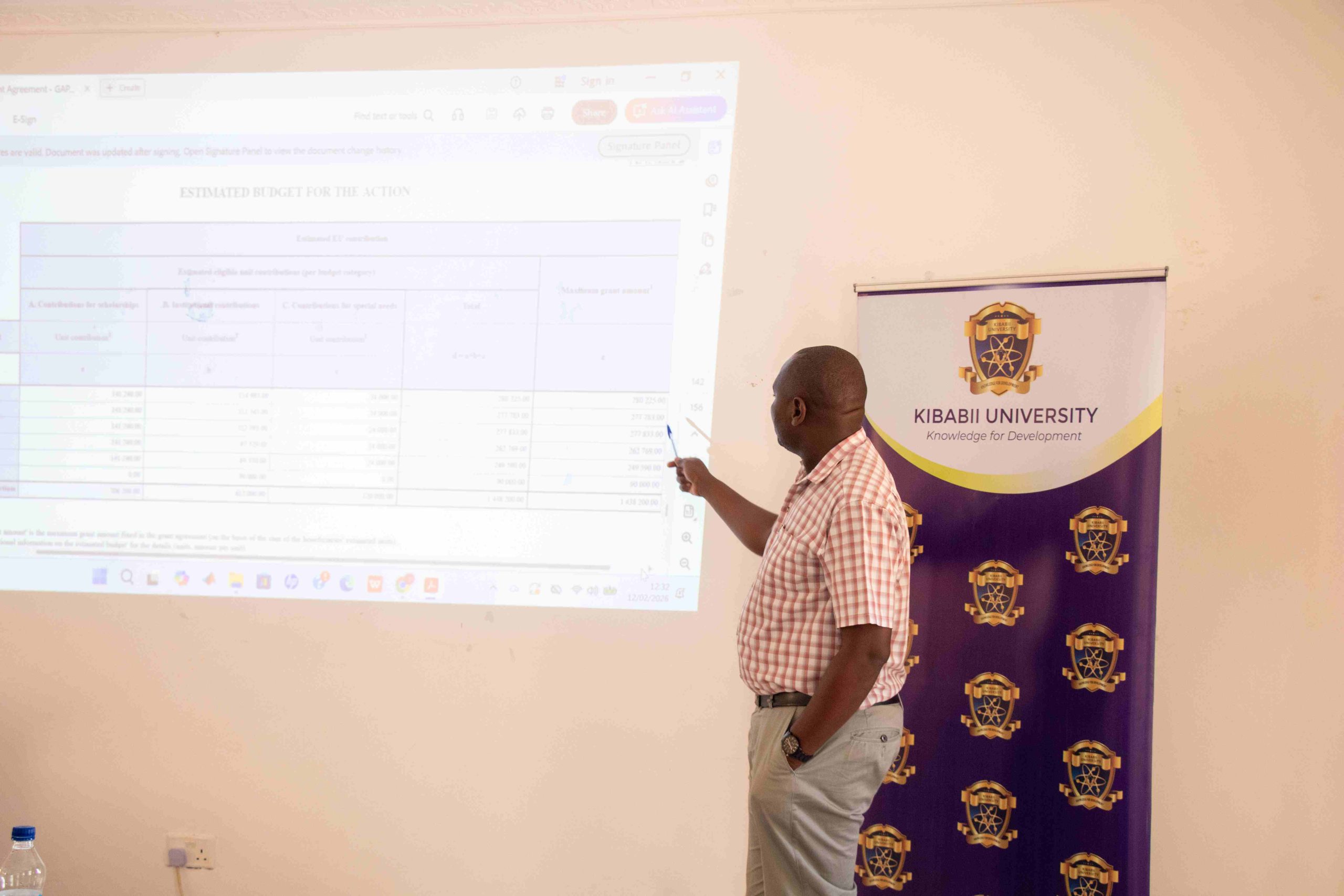
The project will run for four years under a total consortium budget of €1.432 million, with Kibabii University allocated €277,783 to support scholarships, institutional collaboration, and special needs provisions. Funding will be disbursed in phases based on performance milestones, with the final Memorandum of Understanding expected to be signed by the end of February 2026.